
Finding a washing machine that actually survives a decade of heavy use has become surprisingly difficult. Most modern appliances are designed with a planned obsolescence that favors energy efficiency over raw mechanical endurance. When you are dealing with mountain-sized piles of denim, heavy bedding, or a household that runs three cycles a day, the standard consumer-grade models often fail at the three-year mark. After spending weeks digging through service manuals, repair frequency data, and technical teardowns, I have realized that ‘heavy duty’ is a label manufacturers slap on anything with a large drum, but true durability lives in the suspension, the motor torque, and the quality of the bearings. We are going to look at the machines that actually earn that title through engineering rather than marketing.
Why Heavy Duty Is Often a Marketing Myth vs. Reality
If you walk into a big-box retailer, almost every machine over 5.0 cubic feet is labeled as heavy duty. This is misleading. In the world of appliance repair, heavy duty does not just mean ‘big.’ It refers to the machine’s ability to handle high-torque loads and frequent cycles without the tub springs snapping or the control board frying. Most modern washers use plastic outer tubs and thin steel inner drums. While lightweight, these materials struggle with the centrifugal force generated by heavy, water-logged towels spinning at 1,200 RPM. A true heavy-duty machine focuses on the internal skeleton.
The Role of Suspension and Bearings
The first point of failure in a high-volume household is usually the bearings. These are the metal rings that allow the drum to spin smoothly. In cheaper models, these bearings are sealed into a plastic tub, meaning if the bearing fails, you have to replace the entire tub assembly—a repair that often costs more than a new machine. Heavy-duty contenders, like those from Speed Queen or certain commercial-grade Maytag models, use oversized, dual-ball bearings and heavy-duty springs that can absorb the vibration of an uneven load of rugs or heavy workwear. If the machine feels light when you try to push it, it likely lacks the counterweights needed for serious laundry tasks.
Motor Torque and Thermal Protection
Another factor is the motor’s duty cycle. Standard motors can overheat if run back-to-back for six hours on a Saturday. Commercial-grade machines use motors with higher thermal ceilings and better heat dissipation. Look for ‘Direct Drive’ systems where the motor is attached directly to the drum. This removes the belt—a common point of failure—and provides more precise control over the drum’s movement, which is essential when trying to balance a heavy load of wet towels. When the machine can’t balance the load, it spends more time ‘shuffling’ the clothes, which extends cycle times and wears out the components faster.
Top-Rated Front Loaders for Massive Laundry Loads

Front-load machines are often criticized for being ‘fussy,’ but for heavy-duty applications, they have a mechanical advantage. Gravity does the work of tumbling the clothes, which requires less water and provides a more aggressive mechanical action against stains. However, the weight of the water and clothes sits directly on the front bearing, making the build quality of that bearing crucial.
LG WM6700HBA: The High-Capacity Tech Leader
The LG WM6700HBA is currently a top recommendation for families who need to wash king-sized comforters regularly. Priced around $1,100, it offers a massive 5.0 cubic foot capacity. What sets this apart in the heavy-duty category is its AI DD (Artificial Intelligence Direct Drive) technology. It senses the weight and softness of the fabric to adjust the wash pattern. While that sounds like a gimmick, the practical result is less strain on the motor during the spin cycle.
Pro: Extremely quiet even at high spin speeds.
Con: The glass door and touch electronics are sensitive to physical impact in high-traffic areas.
Samsung Bespoke Ultra Capacity WF53BB8900AD
Samsung has pushed the capacity envelope with this 5.3 cubic foot model, retailing for approximately $1,200. It is designed for those who want to do two weeks of laundry in a single afternoon. It features a reinforced tub and a vibration reduction system that is among the best in the industry. However, the complexity of the ‘Auto Dispense’ system for detergent can be a point of failure if not cleaned monthly.
Pro: Can wash a full set of king bedding plus extra towels in one go.
Con: The depth of the machine (34.5 inches) makes it difficult to fit into standard kitchen-adjacent laundry closets.
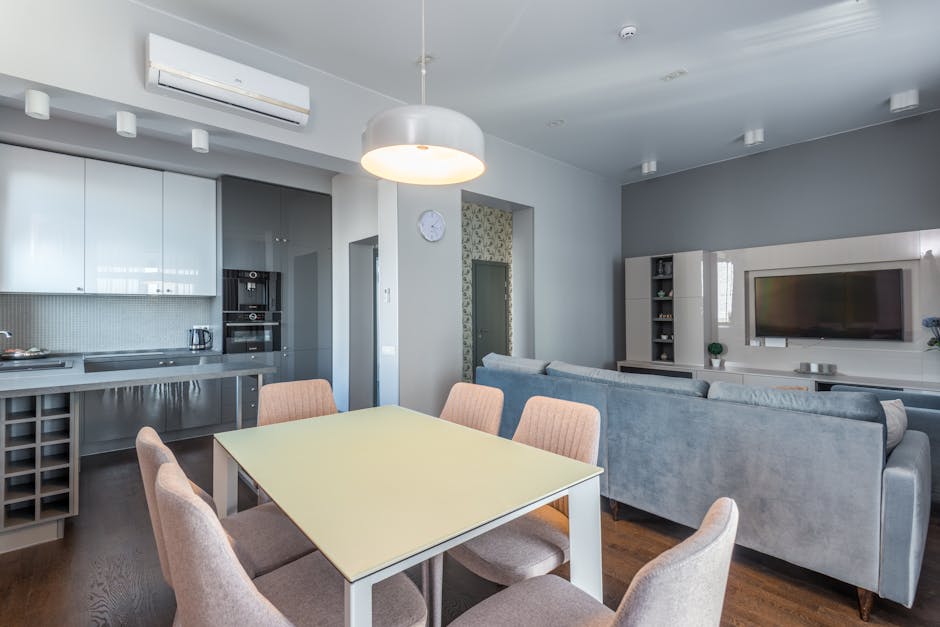
If you are planning to integrate a heavy-duty front loader into a kitchen design, always measure the ‘swing’ of the door. Many high-capacity models have oversized doors that can block walkways or hit cabinetry when fully opened.
Industrial-Grade Top Loaders for Durability Seekers
For some, ‘heavy duty’ means a machine that looks like it belongs in a 1980s laundromat. These are the machines that prioritize metal over plastic and mechanical switches over touchscreens. If your priority is a machine that will last 20 years rather than one that has a Wi-Fi connection, the top-load industrial category is where you should look. These machines use a center agitator, which is harsher on clothes but much more effective at removing heavy soil, mud, and grease.
Speed Queen TC5 (The Classic)
The Speed Queen TC5 is widely considered the most durable washing machine on the consumer market. It retails for about $1,400. Unlike almost every other brand, Speed Queen uses a transmission-driven agitator and a solid steel outer tub. There are no lid locks that break easily, and the cycle times are incredibly fast—often under 30 minutes. It doesn’t use sensors to ‘guess’ the water level; it just fills the tub.
Pro: Built to last 25 years in a home environment; 5-year parts and labor warranty.
Con: Low energy efficiency and smaller capacity (3.2 cu. ft.) compared to modern front loaders.
Maytag Commercial Grade MVWP586GW
Maytag’s commercial line is an attempt to claw back their reputation for reliability. This model, priced around $900, features a 1/2 horsepower motor and a heavy-gauge steel cabinet. It is a no-frills machine designed for high-turnover households. The dual-action agitator provides a deep clean that most HE (High Efficiency) machines cannot match.
Pro: Powerful cleaning for heavily soiled work clothes.
Con: It is significantly louder than modern front loaders and can be prone to ‘walking’ if the floor isn’t perfectly level.
Key Specifications to Scrutinize Before Buying

When you are comparing models, ignore the ‘Heavy Duty’ cycle button. Instead, look at the technical spec sheet. The numbers there tell the real story of how the machine will perform under pressure. You want to look for specific metrics that indicate the quality of the build and the efficiency of the mechanical systems.
G-Force and Spin Speed
Spin speed is measured in RPM (Rotations Per Minute), but the more important metric is G-Force. A higher G-Force extracts more water, which means your dryer doesn’t have to work as hard. For a heavy-duty front loader, look for at least 1,200 RPM. For a top loader, 700-800 RPM is standard. If a machine has a high spin speed but a lightweight frame, it will vibrate excessively. This vibration is the ‘slow killer’ of appliance electronics. Look for ‘Vibration Reduction Technology’ or ‘VRT+’ in the specs, which usually indicates the use of ball-bearing balancers in the drum.
Internal Heater Elements
Truly heavy-duty cleaning, especially for sanitizing bedding or removing allergens, requires high heat. Many mid-range machines rely on the water coming out of your tap. However, if your water heater is far from the laundry room, the water might only be lukewarm by the time it hits the clothes. A machine with an internal water heater can boost the temperature to 150°F or higher. This is a critical feature for anyone dealing with heavy organic staining or the need for true sanitization cycles. Models like the Miele W1 or the LG Signature series include these heaters as standard.
- Drum Material: Always choose 304-grade stainless steel over plastic or porcelain-coated steel. Porcelain can chip, leading to rust that ruins clothes.
- Warranty Terms: A 1-year warranty is a red flag for a ‘heavy duty’ machine. Look for brands offering 5 to 10 years on the motor and tub.
- Out-of-Balance Logic: Check if the machine has a ‘re-fill’ or ‘auto-adjust’ feature for when loads get bunched up. This prevents the machine from trying to spin an unbalanced load, which destroys the suspension rods.
Comparing the Best Heavy Duty Models of 2024
To make a final decision, you have to weigh the trade-offs between capacity, durability, and technology. A machine that is great for a family of six might be overkill for a couple that just wants their clothes to last. The following table summarizes the key players in the 2024 market based on their mechanical strengths and estimated longevity.
| Model | Type | Capacity | Approx. Price | Best For |
|---|---|---|---|---|
| Speed Queen TC5 | Top Load | 3.2 cu. ft. | $1,429 | Long-term durability (20+ years) |
| LG WM6700HBA | Front Load | 5.0 cu. ft. | $1,099 | Large families & high tech features |
| Maytag MVW7230HC | Top Load | 5.2 cu. ft. | $849 | Budget-friendly high capacity |
| Miele W1 Excellence | Front Load | 2.26 cu. ft. | $2,099 | Precision cleaning & compact durability |
| Samsung WF53BB8900 | Front Load | 5.3 cu. ft. | $1,249 | Ultra-large loads & modern design |
The Miele W1 is an interesting outlier. While its capacity is small by American standards, its build quality is arguably the highest in the world. It uses a cast-iron counterweight system rather than concrete, making it incredibly stable. For a heavy-duty kitchen installation where the washer is under a counter, the Miele is the only one that won’t shake the surrounding cabinetry apart over time. However, for a family washing four loads of soccer uniforms a day, the small drum might be a dealbreaker.
Maintenance Strategies for High-Volume Households
Even the best heavy-duty washing machine will fail prematurely if it isn’t maintained. The ‘heavy duty’ aspect of the machine often leads users to be reckless—overloading the drum until it is packed tight or using too much detergent. Modern HE machines use very little water; if you use the same amount of soap your parents used in the 90s, you will end up with a ‘scrub’ of detergent residue that eats away at the rubber seals and creates a breeding ground for mold.
Combatting Biofilm and Mold
Front-load machines are particularly susceptible to biofilm buildup. To prevent this, you must leave the door ajar after every wash. This is often a point of contention in kitchen-laundry layouts where an open door blocks a path. If you cannot leave the door open, you must run a dedicated ‘Clean Washer’ cycle with a specialized cleaner or bleach at least once a month. This isn’t just about the smell; the mold can eventually degrade the outer tub seal, leading to catastrophic leaks that can ruin kitchen flooring.
Managing the Load Distribution
The most common cause of a ‘blown’ suspension is the single-item heavy load. If you wash one heavy bath mat or one weighted blanket, the machine cannot balance the weight during the spin cycle. It will bang against the side of the cabinet, stretching the springs and wearing out the dampers. Always balance a heavy item with a few towels or similar items. This allows the machine to distribute the weight 360 degrees around the drum, protecting the bearings from the uneven ‘thumping’ that leads to repair calls. If you hear a loud ‘clacking’ sound during the spin, stop the machine immediately and redistribute the clothes manually. Your machine’s lifespan depends on those few seconds of effort.
Ultimately, the best heavy-duty washing machine is the one that matches your specific household chaos. If you have the space and the budget, a Speed Queen offers a level of mechanical peace of mind that no other brand can match. If you are constrained by modern kitchen dimensions and need to process massive amounts of laundry, the high-capacity LG or Samsung models offer the best balance of performance and volume, provided you are diligent about their maintenance schedules.