Modern residential architecture has increasingly prioritized open-concept layouts and streamlined transitions, yet the master bedroom remains a sanctuary of heavy, cumbersome furniture. The shift toward the “best mattress in a box” reflects a broader movement in home engineering: the demand for high-performance materials that respect the logistical constraints of contemporary living. For decades, the high-end mattress market was dominated by rigid innerspring models that required specialized delivery teams and significant clearance for navigation through hallways and kitchen galleys. Today, the physics of polymer compression has evolved to allow luxury-grade sleep surfaces to be delivered in a footprint no larger than a standard kitchen pantry cabinet.
The selection of a mattress in a box is no longer a compromise on quality but a logistical necessity for modern residential layouts. Data from the last three years of consumer testing indicates that the gap between traditional showroom models and compressed, boxed alternatives has effectively closed. The primary differentiator now lies in the chemical composition of the foams and the gauge of the pocketed coils used to ensure the structure survives the vacuum-sealing process. For 2024, the Helix Midnight Luxe remains the primary recommendation for side sleepers, while the Nectar Premier Copper offers the highest value-to-density ratio for those seeking a pure memory foam experience.
Engineering Standards for High-Performance Compressed Bedding
To understand what constitutes the best mattress in a box, one must examine the physics of compression. Manufacturers use industrial presses to exert up to 100 tons of pressure on a finished mattress, reducing its volume by approximately 80% before heat-sealing it in plastic. For a mattress to recover its original shape without structural degradation, the materials must possess high tensile strength and resilience. This is why low-density foams—those under 1.5 pounds per cubic foot (PCF)—frequently fail to fully expand or develop permanent “soft spots” within the first year of use.
Density and PCF Ratings: The Durability Benchmark
Density is the most reliable predictor of mattress longevity and the primary factor in resisting permanent indentation. In the context of memory foam, a density of 3.5 to 5.0 PCF is considered the professional standard for durability. High-density foam contains more material and less air, which allows it to withstand the repetitive stress of body weight without collapsing. When reviewing specifications, prioritize brands that transparently list their foam densities. A mattress utilizing a 4.0 PCF comfort layer will typically outlast a 2.5 PCF competitor by four to six years, despite looking identical on the surface.
Beyond the comfort layer, the high-density polyfoam used in the base should ideally carry a rating of 1.8 PCF or higher. This base layer acts as the “foundation” of the mattress, much like the subflooring in a kitchen. If the base foam is too airy (low density), the heavier layers above will cause it to compress prematurely, leading to the dreaded “sagging” effect that ruins spinal alignment.
CertiPUR-US and Material Safety Protocols
Because these mattresses are sealed immediately after production, VOC (Volatile Organic Compound) emissions are a technical concern. The “new mattress smell” is the result of off-gassing, where chemicals used in the foam-making process are released into the air. The best mattress in a box options carry the CertiPUR-US certification, which verifies that the foam is manufactured without ozone depleters, PBDE flame retardants, mercury, lead, or phthalates. This certification also ensures that VOC emissions are below 0.5 parts per million, which is critical for indoor air quality in modern, tightly insulated homes.
Furthermore, consumers should look for the OEKO-TEX Standard 100 certification if they have sensitive respiratory systems. This standard is even more rigorous than CertiPUR-US, testing every component of the mattress—including threads, zippers, and covers—for harmful substances. In a home where the bedroom is adjacent to a high-traffic kitchen or living area, maintaining low VOC levels is essential for overall environmental health.
A mattress that fails to reach its full height within 48 hours of unboxing likely suffered from “cell collapse” during the compression phase. This is a manufacturing defect, not a standard break-in period. If the corners remain tapered or the center feels hollow, initiate a warranty claim immediately.
Performance Metrics: Heat Dissipation and Edge Support
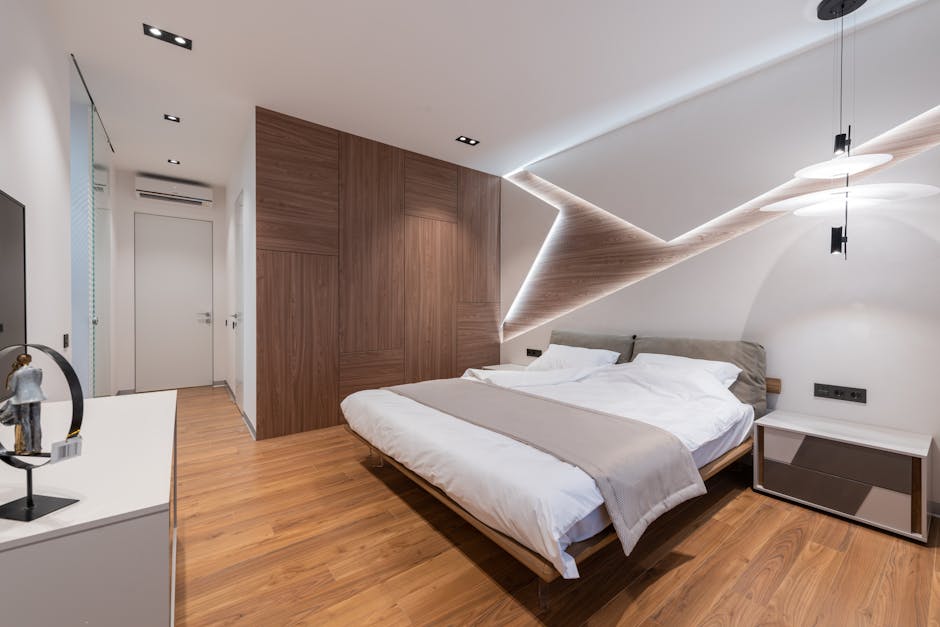
The most frequent technical failure in boxed mattresses is poor edge support. Because the perimeter must be flexible enough to roll into a cylinder, many brands omit the rigid edge reinforcements found in traditional beds. However, higher-end hybrid models now utilize reinforced steel coils along the outer edges to prevent the “roll-off” sensation. This is particularly important for individuals who use the edge of the bed for sitting or those who share a smaller sleep surface, such as a full or queen size.
Thermal Conductivity and Phase Change Materials
Memory foam is inherently an insulator. It traps heat by design, as it uses body heat to soften and contour. To counteract this, engineers incorporate Phase Change Materials (PCM) or gel infusions into the top layers. PCM works by absorbing heat as the body temperature rises and releasing it as the environment cools, maintaining a neutral microclimate. In testing, mattresses like the Nectar Premier Copper, which features copper-infused fibers, show a measurable 2-degree Celsius reduction in surface temperature compared to standard polyfoam models. Copper is not only a superior thermal conductor but also possesses antimicrobial properties, which helps in maintaining a hygienic sleep surface over several years.
Motion Isolation and ILD Values
Indentation Load Deflection (ILD) measures the firmness of a foam layer. A lower ILD (10-15) indicates a plush feel, while a higher ILD (25-35) indicates a supportive base layer. The best mattress in a box will utilize a progressive ILD stack: a low-ILD top layer for pressure relief and a high-ILD core for spinal alignment. This layering is what allows for superior motion isolation. When one sleeper moves, the energy is absorbed vertically into the foam rather than transferring horizontally across the surface. This is a critical metric for couples, especially those with different sleep schedules or varying body weights.
| Performance Category | Memory Foam (All-Foam) | Hybrid (Coils + Foam) | Latex (Natural/Synthetic) | Hyper-Elastic Polymer |
|---|---|---|---|---|
| Motion Isolation | Excellent | Moderate to High | Moderate | High |
| Edge Support | Low to Moderate | High | Moderate | Moderate |
| Durability | 7-10 Years | 8-12 Years | 15+ Years | 10-12 Years |
| Cooling | Passive (unless treated) | Active (Airflow) | Inherent (Open cell) | Maximum (Airflow) |
| Response Time | Slow (Contouring) | Medium (Bouncy) | Fast (Springy) | Instantaneous |
Comparative Analysis of Top-Rated Boxed Models
Choosing the best mattress in a box requires matching specific mechanical properties to sleep positions. A side sleeper requires deep sinkage at the shoulder and hip to maintain a neutral spine, whereas a back sleeper needs a firmer lumbar zone. The following models have been selected based on their performance in pressure mapping and long-term durability tests.
Helix Midnight Luxe: The Specialized Hybrid
The Helix Midnight Luxe is engineered specifically for side sleepers who prefer a medium-firm feel. It utilizes a zoned lumbar support system, meaning the coils in the center of the mattress are a thicker gauge than those at the head and foot. This prevents the hips from sinking too deeply, which is the primary cause of lower back pain in softer mattresses.
- Specifications: 13.5-inch profile, 6 layers including copper-gel memory foam and 1,000+ wrapped coils.
- Price: Approximately $1,800 – $2,300 for a Queen; $2,400 – $2,800 for a King.
- Pro: Targeted pressure relief through zoned coils and a high-loft pillow top with Tencel cooling cover.
- Con: The 13.5-inch profile requires deep-pocket sheets and is significantly heavier than all-foam models, making it harder to rotate.
Nectar Premier Copper: The High-Density Foam Choice
For those who prefer the “cradling” sensation of foam without the heat retention, the Nectar Premier Copper is a formidable option. It features a 14-inch profile with a 4-inch layer of gel memory foam. The inclusion of copper in the cover and foam layers acts as a thermal conductor, drawing heat away from the body more efficiently than standard gel foams.
- Specifications: 14-inch profile, 5 layers including a 9-inch stay-stable base layer and heat-wicking copper cover.
- Price: Approximately $1,200 – $1,500 for a Queen; $1,700 – $2,000 for a King.
- Pro: Exceptional motion isolation and a “Forever Warranty” that covers sagging over 1.5 inches for the life of the original owner.
- Con: The edge support is weaker than hybrid competitors, making the usable surface area feel slightly smaller for those who sleep near the perimeter.
Purple RestorePremier: The Hyper-Elastic Alternative
The Purple RestorePremier departs from traditional foam and coil logic by using a GelFlex Grid. This is a hyper-elastic polymer arranged in a grid pattern that collapses under heavy pressure points (shoulders/hips) while remaining supportive under lighter areas (waist/legs). Because the grid is 80% air, it offers the highest level of passive cooling on the market.
- Specifications: 13-inch profile, 2-inch GelFlex Grid paired with 8-inch structural pocketed coils.
- Price: Approximately $2,500 – $3,000 for a Queen; $3,200 – $3,800 for a King.
- Pro: Instantaneous response time; the mattress returns to its original shape faster than any memory foam, preventing the “stuck” feeling.
- Con: The unique “rubbery” feel is polarizing and does not provide the traditional “hug” of memory foam; requires specialized stretchy sheets.
The Impact of Foundation Geometry on Sleep Quality

A mattress is only as good as its foundation. For boxed mattresses, especially heavy hybrids, the base must provide consistent, non-yielding support. Slatted frames are the most common choice, but they must adhere to strict geometric standards: slats should be no more than 3 inches apart. If the slats are too wide, the foam will begin to migrate into the gaps under the pressure of body weight, causing permanent deformation and voiding most warranties.
For those using a traditional box spring, a piece of 0.5-inch plywood (a “bunkie board”) placed on top can provide the flat, rigid surface necessary to maintain the mattress’s structural integrity. Furthermore, adjustable bases have become increasingly popular with boxed mattresses. Because foam and pocketed coils are designed to be compressed and rolled, they are inherently flexible, making them perfectly compatible with motorized bases that elevate the head or feet for reading or mitigating acid reflux.
Maintenance and Longevity: Protecting Your Investment
To maximize the lifespan of a boxed mattress, a proactive maintenance schedule is required. Unlike older innerspring beds, modern boxed mattresses are typically one-sided, meaning they should never be flipped. However, they should be rotated 180 degrees every six months. This ensures that the foam layers wear evenly, preventing the formation of body impressions in the areas where the heaviest weight is concentrated.
Cleaning is another critical factor. Most boxed mattresses feature a zip-off cover, but many manufacturers advise against machine washing as it can shrink the fabric or damage the cooling fibers. Instead, use a waterproof mattress protector from day one. This prevents sweat, oils, and accidental spills from reaching the foam layers, where they can accelerate the breakdown of the polymer cells. If a spill does occur, spot clean with a mild detergent and ensure the mattress is completely dry before replacing the sheets to prevent mold growth within the foam core.
Logistical Synergy: Integrating Large Furniture into Narrow Floor Plans

The logistical advantages of a mattress in a box extend beyond mere shipping convenience. In urban environments, particularly in multi-story dwellings or apartments with narrow galley kitchens and tight entryways, the ability to transport a king-size mattress in a 20x20x42-inch box is the only way to facilitate a high-quality sleep setup. This convenience factor has shifted the way we view interior transitions. When designing a home, the bedroom is no longer a static environment built around a heavy, permanent mattress; it is a modular space that can be updated as easily as a kitchen backsplash.
This “maneuverability” is a key design consideration for modern townhomes. Architects often design hallways with sharp turns that would be impossible for a traditional king-size box spring to navigate. By utilizing compressed bedding, homeowners can maximize their sleep surface area without being limited by the architectural constraints of their home’s “choke points,” such as narrow kitchen islands or winding staircases.
The Trial Period and Return Logistics
Standard industry practice for boxed mattresses includes a 100-night to 365-night sleep trial. This is a necessary component of the business model because the consumer cannot test the product before purchase. However, it is essential to read the fine print regarding return shipping. Some brands require the consumer to coordinate a donation to a local charity to trigger a refund, while others will send a removal team. Always verify if there is a mandatory “break-in” period—usually 30 days—before a return can be initiated. This period is scientifically necessary for your musculoskeletal system to adjust to a new support profile.
Investing in the best mattress in a box is a calculation of material density, thermal management, and logistical ease. By prioritizing high PCF ratings and verified certifications like CertiPUR-US, a consumer can secure a sleep surface that rivals traditional luxury brands at a fraction of the cost and complexity. The data suggests that for the average sleeper, a medium-firm hybrid with zoned support offers the most consistent results across all sleep positions and body types, ensuring that the home’s most important piece of furniture performs as well as its most advanced appliances.