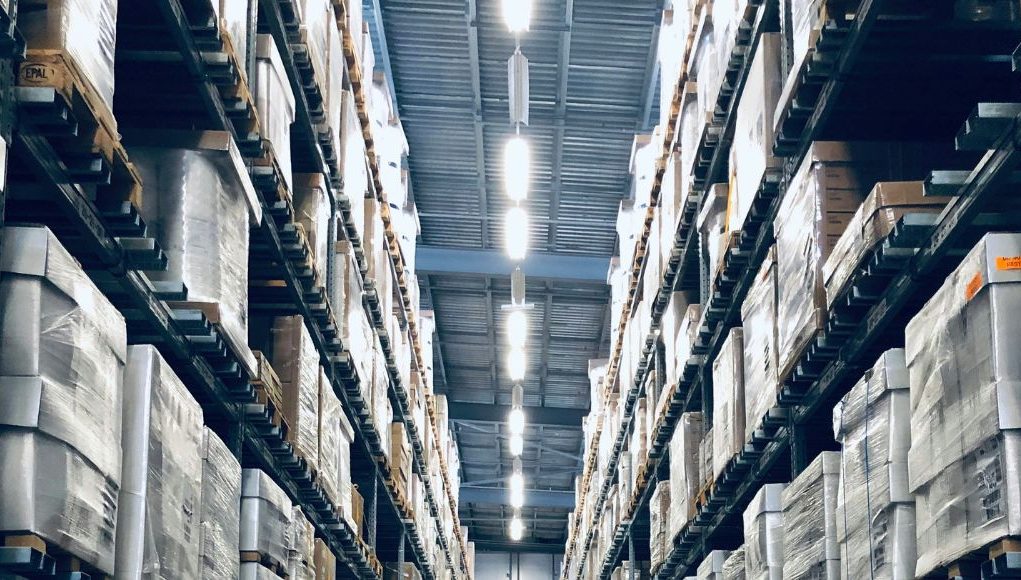
Upgrading warehouse lighting is rarely about the technology; it’s mainly about avoiding regret. The kind that creeps in three to six months later. Because once the fittings, especially LED high bay warehouse lights, are mounted at six metres (at least), replacing them again is a costly job.
Lights shape running costs, safety, and productivity in warehouses. That’s why upgrading to a more energy-efficient option is inevitable. But this is where the dilemma begins: Do you retrofit or start again with a full new installation?
Both are valid. Both can work well. But choosing the wrong path can quietly undo the benefits you hoped to achieve.
This guide is designed to help you make that decision with confidence and choose the upgrade path that fits how your warehouse actually operates.
Why Choosing the Right Upgrade Path Matters
Lighting upgrades touch almost every part of warehouse performance. They affect energy bills, maintenance schedules, staff comfort, safety compliance, and even how smoothly daily operations run. That’s why the consequences of a poor decision are massive and, at times, costly.
- A retrofit that looks cost-effective on paper may lock you into outdated layouts or limit future upgrades.
- A full replacement that feels future-proof may introduce unnecessary disruption or cost.
In both cases, the regret usually comes from having to revisit the same problem sooner than expected.
This is why retrofit versus replacement should be seen as a strategic decision rather than a technical one. The goal is not simply to install new lights, but to avoid repeat upgrades, wasted spend, and operational headaches down the line.
So, the right choice supports your warehouse not only today but even several years from now.
What’s the Difference Between a Retrofit and a New Lighting Installation?
Before we dive into what’s best for your warehouse, let’s first set a clear baseline and define each term.
A lighting retrofit means upgrading the light source while keeping much of the existing infrastructure. In a warehouse, this often involves replacing older lamps or control gear inside existing fittings with LED retrofit kits. The key thing to note: The housings, mounting points, and often the wiring stay in place.
A new lighting installation involves removing the existing system entirely and installing new LED fittings specifically designed for the space. This allows for changes to layout, mounting height, beam angles, and controls.
Both options are sound, depending on your space’s needs. Retrofitting is common in warehouses with layouts that do not change, so there’s no need to replace existing infrastructure.
New installations, on the other hand, are often the best option when lighting performance is poor, the current layout does not comply with standards, or the building itself is evolving.
In short, retrofitting is about improvement within limits. New installation is about redesign.
When a Warehouse Lighting Retrofit Makes Sense
Let’s face it. For many warehouses, retrofitting is the most practical and cost-efficient path to upgrading their lights. When done for the right reasons (not impulse decisions), retrofitting delivers real benefits.
Existing Fixtures Are Structurally Sound
If the current fittings are in good physical condition, there is often little to no value in removing them. In fact, many industrial lighting systems are built to last decades. Reusing housing and wiring and only replacing lamps saves on costs and lessens metal and plastic waste. It’s practically a double win for the business (and planet).
From an operational point of view, this simplifies the project. There is less work to do on the ceiling, fewer access requirements, less disruption on the floor and workflow. Retrofitting can feel more like a targeted improvement than a full-scale overhaul.
Faster Installation with Minimal Downtime
One of the most underestimated costs in warehouses is downtime. Even a short disruption can create a ripple effect across the entire operation, affecting everything from picking schedules, deliveries, and staffing.
Retrofits are typically faster to install than full replacements. A lot of times, work can be done one aisle at a time or during periods that aren’t too busy, to avoid halting operations. This makes retrofitting particularly attractive for 24/7 facilities where shutting down areas is not realistic or will incur too much cost.
Lower Upfront Costs
Budget constraints are a common problem for most facilities. That’s why retrofitting is a popular option since it usually comes with a lower upfront price tag. That’s because you’re not paying for new housing, mounting systems, or extensive rewiring.
If you’re a business focused on getting short-term ROI on your lighting upgrade, this can be a decisive choice. You still get significant energy savings compared to older lighting, and payback periods are often quick.
When a Full New Lighting Installation Is the Better Option
Again, retrofitting has clear advantages, but there are situations where starting fresh is the smarter long-term move. These decisions are usually driven by performance rather than cost alone.
Outdated Layouts or Poor Light Distribution
Many warehouses, especially the older ones, were lit for layouts that no longer exist. Racking heights have increased, aisle widths have changed, and picking methods have evolved. This is where retrofitting is no longer an option.
A new installation allows lighting to be designed around the current layout. This way, you can eliminate shadows, improve vertical illumination on racking, and ensure consistent coverage across aisles and work areas. The result is a space that not only feels brighter and more usable, but also more efficient.
Compliance and Safety Upgrades
As technology advances and industries change, lighting standards also continue to evolve. This is particularly true for lux level, glare control, and uniformity. If your existing system struggles to meet current expectations, a retrofit may be only a band-aid solution, offering only partial improvement.
New LED fittings are designed with compliance in mind. Compared to traditional lights, they offer better light quality and performance. Despite the higher upfront cost, it’s justified in environments where safety audits, inspections, or staff wellbeing are priorities.
Planning for Future Growth
Warehouses are busy facilities with needs that constantly shift. Retrofitting older fittings can limit how easily these changes are accommodated, while a full new installation provides a cleaner platform for future growth.
We’re talking about integrating sensors, flexible controls, and scalability into the system. For facilities planning significant changes over the next five to ten years, this is a good first step to avoid another upgrade cycle too soon.
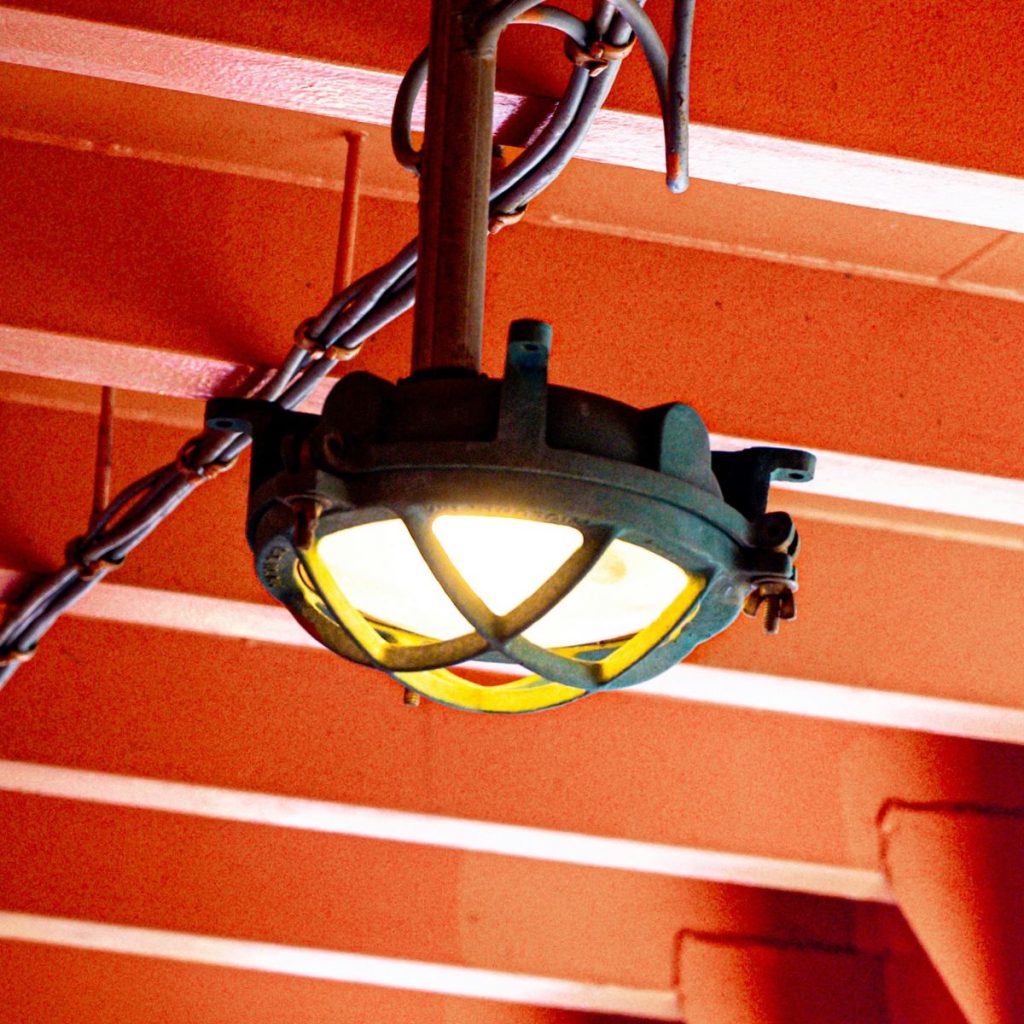
Cost Comparison: Retrofit vs New Installation
The cost of warehouse lighting upgrades is often framed as: retrofit equals cheap and replacement equals expensive. However, the reality is a bit more complex.
Initial costs vs lifetime costs:
- Retrofit: Lower upfront cost. However, if the existing fixtures or controls limit efficiency, lifetime energy costs may be higher than those of a well-designed new system.
- New install: Higher upfront cost. Better opportunity to reduce lifetime costs through tailored lumen outputs, modern drivers, and smart controls.
Maintenance and replacement cycles
Maintenance is also a big consideration. Retrofitted systems may still rely on older housings that were not designed for long-term LED performance. Accessing components can be challenging, increasing labour costs. New installations are usually designed for easier maintenance and longer service intervals.
The smart move is looking beyond the first invoice. Also consider energy use, maintenance cycles, expected lifespan, and the likelihood of future changes.
Performance Differences You’ll Notice Over Time
The choice would still be greatly influenced by the day-to-day operations and performance.
1.Light quality and consistency tend to be more predictable with new installations. Output and colour are expected to be uniform and stable. Retrofitted systems can perform well, but results depend heavily on the condition and design of the original fitting.
2.Sensor compatibility is another area where differences emerge. New installations integrate more easily with occupancy sensors, daylight harvesting, and smart controls. Retrofits can support these features, but sometimes with limitations… with older systems, not at all.
3.Maintenance frequency is often lower with new systems, simply because everything is new and designed to work together. Retrofitted systems may inherit access challenges from older designs that only become apparent during maintenance.
Energy Efficiency and Sustainability Considerations
When you talk about energy efficiency, LED upgrades are usually at the forefront. But sustainability is more than just kilowatt hours saved. Here’s what we mean:
Retrofits score well on waste reduction. By reusing existing housing and wiring, warehouses can avoid unnecessary disposal while reducing the environmental impact of manufacturing new fittings. For organisations with strong environmental policies, this can be a meaningful advantage.
New installations, however, offer better optics, control, and system integration, reducing wasted light and improving overall efficiency. Over a long lifespan, these savings also contribute significantly to carbon reduction goals.
At the end of the day, the most sustainable choice still depends on priorities. If minimising waste today is key, retrofitting may align better. If maximising efficiency over decades is the goal, a new installation may be the better option.
Common Mistakes When Upgrading Warehouse Lighting
Sometimes it’s not poor products that cause many lighting projects to fail, but poor decisions made early on.
❌ Retrofitting fixtures that should be replaced. Retrofitting is not always the cost-effective (or smart) choice. If housings are damaged, poorly positioned, or incompatible with modern controls, a complete replacement is ideal.
❌ Over-specifying new installations. It can be easy to get excited about the new tech, but installing more light or more technology than needed can increase costs without improving outcomes. Good lighting design is about suitability, not complexity.
❌ Ignoring downtime and access costs. This is another trap. A solution that looks affordable can become expensive once installation logistics are considered. Make sure to plan replacements in advance to avoid unpleasant cost surprises.
How to Decide: Retrofit or Replace? A Practical Checklist
The choice between the two can feel unclear, so here’s a simple checklist to help you make a well-informed decision:
1.Start with the condition of existing fittings. Are they structurally sound and well-positioned, or do they already limit performance?
2.Consider how much operational disruption you can tolerate. Can work be delayed, or is continuous operation essential?
3.Review compliance and performance goals. Are you aiming for modest improvement or a step change in lighting quality?
4.Balance the budget against long-term value. Is the priority quick payback or lasting performance?
Honest answers to these questions usually point clearly toward one option.
Warehouse Lighting Upgrade Solutions
Pro tip: Always look for a supplier that can support both upgrade paths.
- Retrofit-friendly LED options allow warehouses to upgrade their lights efficiently and quickly, and most importantly, cost-effectively.
- Full replacement solutions enable a complete redesign that’s better suited to performance, compliance, and future growth.
Always remember that the goal is not to get the most expensive solution, but the one that avoids regret and delivers lasting value. This is why it is crucial to get expert support to help you choose the right approach for your space.
Key Takeaways: Making the Right Warehouse Lighting Investment
At the end of the day, there’s no one-size-fits-all solution to upgrading warehouse lighting. Retrofitting and new installations both have their pros and cons, and both can succeed when chosen for the right reasons.
The key is alignment. How does your warehouse operate today? How likely is it to evolve? Your lighting strategy should support that. By focusing on long-term outcomes rather than short-term trends, you can make an investment that will give you the best return on investment over time.