

Let’s get straight to it: most of you are buying the wrong patio furniture. You’re falling for flimsy trends, cheap materials, and designs that won’t see next summer, let alone 2026. It’s time to cut through the noise. Stop looking for ‘deals’ and start investing in furniture that will actually last. If you want outdoor living to be an asset, not a yearly replacement headache, listen up.
Stop Buying Cheap Wicker. Go Aluminum or Marine-Grade Polymer.
Here’s the blunt truth: unless you’re spending serious money on high-end, brand-name all-weather wicker with robust aluminum frames, you’re buying a problem. That resin wicker that looks great in the showroom? It will crack, fade, and sag. The frames? Often steel that rusts from the inside out. Your hard-earned cash is literally dissolving in the sun and rain. Forget it. Your best bets for durability and minimal fuss are marine-grade polymer and high-quality aluminum.
The Aluminum Imperative: Why It Wins
Aluminum is the backbone of truly durable patio furniture. Why? It’s lightweight, strong, and most importantly, it doesn’t rust. You get solid, stable pieces that are easy to move when you need to rearrange or store them. Look for powder-coated aluminum frames. This finish adds an extra layer of protection against scratches and UV damage. Brands like Telescope Casual have been perfecting aluminum for decades. They build it right. Your average big box store aluminum? It might be thinner gauge, which means it bends easier. Always ask about the thickness and finish. For a set of four chairs and a dining table, expect to pay anywhere from $1,500 to $4,000 for good quality aluminum. If it’s less, be skeptical.
Marine-Grade Polymer: Built for Forever
This is your ‘set it and forget it’ material. Marine-grade polymer, often recycled HDPE (High-Density Polyethylene), is the ultimate in low-maintenance, high-durability outdoor furniture. It’s heavy, so it won’t blow away in a storm. It’s impervious to moisture, insects, salt spray, and virtually all corrosive substances. The color goes all the way through the material, so it won’t chip or fade. Brands like Polywood and Trex Outdoor Furniture dominate this space for a reason. Their products are built like tanks. You’ll pay for it – a decent Adirondack chair can run $300-$500, and a full dining set can easily hit $4,000 to $8,000. But that’s a one-time cost for furniture that will outlive your house. It’s worth every penny if you hate maintenance.
Wicker’s Inevitable Failures: Don’t Be Fooled
You see those gorgeous, intricate wicker sets? They’re tempting. The problem is, most are made with cheap resin that becomes brittle in UV light. It cracks, unravels, and turns chalky. The inner frames are often galvanized steel, which sounds good, but eventually, water gets in, and it rusts. That rust then bleeds onto your patio, staining it. Even if you cover it religiously, the material degrades. Skip it. Unless you’re buying truly premium, fully welded aluminum frames wrapped in high-quality, UV-stabilized virgin HDPE wicker from a specialist brand (think Dedon or Kingsley Bate, where a single chair can be $1,000+), you’re just buying future landfill. Save yourself the headache.
Plan Your Zones, Not Just Your Seating.

Most people buy a ‘set’ of patio furniture. That’s a rookie mistake. Your outdoor space isn’t just a patio; it’s an extension of your home. Treat it like one. You wouldn’t buy a living room, dining room, and bedroom set without considering how they flow together. The same logic applies outside. Think in terms of functional zones. This isn’t about buying more stuff; it’s about buying the right stuff for how you actually live and entertain.
The Outdoor Room Concept
Imagine your patio as a room. What functions does it need to serve? Will you eat outside? Relax with a book? Host large gatherings? Tan by the pool? Each activity requires its own space and specific furniture. A dining area needs a table and chairs. A lounging area needs comfortable sofas, sectionals, or chaises. A conversation area benefits from deep-seating chairs and a fire pit. Don’t just cram everything in. Sketch it out. Use painter’s tape to mark out the dimensions of proposed furniture pieces on your actual patio. Walk around them. This visual exercise is critical for understanding scale and flow. It will prevent you from buying a monstrous sectional that swallows your entire space or a dinky bistro set that looks lost.
Traffic Flow Isn’t Optional
Just like inside your home, people need to move freely outdoors. This means maintaining clear pathways. A good rule of thumb is to leave at least 3 feet (90 cm) of clear space around and between your furniture groupings. More is better if you have the room. Don’t block entryways, garden paths, or access to your grill. Think about how people will walk from the kitchen to the dining table, or from the lounging area to the pool. If your space is tight, consider multi-functional pieces, like ottomans that double as extra seating or small tables. Avoid oversized furniture that makes your patio feel cramped and difficult to navigate. A cluttered outdoor space isn’t relaxing; it’s a tripping hazard.
Sun, Shade, and Wind: Your Site Survey
Before you buy anything, spend a day observing your patio. Where does the sun hit in the morning, noon, and evening? Where does the shade fall? Which areas are exposed to wind? This isn’t just about comfort; it’s about furniture placement and material choice. You don’t want a full sun lounge in a spot that’s shaded all afternoon. You don’t want a lightweight dining table in a wind tunnel. If you lack natural shade, factor in umbrellas or pergolas into your budget and plan. For areas exposed to intense sun, choose materials that won’t fade or get scorching hot (like polymer or high-quality aluminum with Sunbrella cushions). For windy spots, heavier furniture like wrought iron or solid polymer is a better choice than flimsy aluminum. Ignoring these environmental factors will lead to uncomfortable spaces and premature furniture wear.
Material Showdown: What Will Last Through 2026?
You need to know your materials. Period. Some are built for the long haul, others are glorified disposable items. Stop buying based on looks alone. What works for a covered porch isn’t going to survive poolside in direct sun and rain. Here’s a quick rundown of the common culprits and champions.
Our Top Material Picks
- Marine-Grade Polymer (HDPE): Unbeatable durability, zero maintenance, holds color. Think Polywood.
- Powder-Coated Aluminum: Lightweight, rust-proof, versatile, modern aesthetic. Think Telescope Casual.
- Teak: Naturally weather-resistant, beautiful patina, high upfront cost, some maintenance. Think Kingsley Bate.
- Wrought Iron: Extremely heavy, durable, classic look, requires painting/sealing against rust. Think Woodard.
The Full Material Breakdown: Pros & Cons
| Material | Pros | Cons | Durability (1-5) | Maintenance | Typical Brands |
|---|---|---|---|---|---|
| Marine-Grade Polymer (HDPE) | Extreme durability, UV stable, no fading/cracking, heavy, eco-friendly (recycled) | Expensive, heavy (hard to move), can look plastic-y to some | 5/5 | None (wipe clean) | Polywood, Trex Outdoor Furniture |
| Powder-Coated Aluminum | Lightweight, rust-proof, strong, wide range of styles, easy to clean | Can be pricey, thinner gauges can bend, can heat up in sun | 4/5 | Low (wipe clean) | Telescope Casual, Frontgate, CB2 |
| Teak Wood | Naturally rot/insect resistant, ages beautifully (silver patina), extremely durable | Very expensive, requires oiling to maintain original color (or let it grey), heavy | 4/5 | Medium (oiling/cleaning) | Kingsley Bate, Gloster, Barlow Tyrie |
| Wrought Iron | Very heavy (stable in wind), classic aesthetic, extremely strong | Rusts if coating fails, very heavy (hard to move), gets hot in sun | 3.5/5 | High (painting, sealing) | Woodard, Summer Classics |
| All-Weather Wicker (High-End) | Looks natural, comfortable, lighter than wood/iron, UV-resistant resin | Pricey, cheap versions degrade fast, can collect debris in weave | 3.5/5 | Medium (cleaning weave) | Dedon, Kettal, high-end Pottery Barn |
| Steel (Powder-Coated) | Strong, relatively inexpensive, modern look | Prone to rust if coating scratches, heavy | 2.5/5 | Medium (touch-up paint) | Article, Target, Walmart |
| Cheap Resin Wicker | Inexpensive, lightweight | Cracks, fades, unravels, flimsy frames, short lifespan | 1/5 | High (constant repair) | Most big box stores, Amazon basics |
What to Avoid at All Costs
Steer clear of untreated steel or any ‘wicker’ that feels lightweight and brittle. If the frame feels flimsy or hollow, it’s not going to last. Look for robust construction, especially at connection points. Screws should be stainless steel, not regular steel that will rust and fail. If the price seems too good to be true for a full set, it absolutely is. You’ll be buying another set next year. Don’t be that person.
Don’t Forget the Details: Cushions, Covers, and Fasteners.

You can buy the most expensive frame in the world, but if the cushions are trash or the hardware rusts, your investment is pointless. These aren’t minor considerations; they’re deal-breakers for longevity and comfort. Pay attention to the peripherals; they’re where most patio furniture fails first.
1. Fabric That Lasts: Sunbrella is the Standard
There’s one name that matters for outdoor fabric: Sunbrella. Anything else is a gamble. Sunbrella isn’t just fade-resistant; it’s mold-resistant, easy to clean, and incredibly durable. Its solution-dyed acrylic fibers hold color far better than cheap polyester or olefin. If the furniture you’re eyeing doesn’t come with Sunbrella or an equivalent (like Crypton or Agora), you’ll be replacing those cushions every two seasons. Period. Don’t fall for “UV-resistant” claims on generic fabrics; they rarely live up to the hype. Sunbrella is an investment, yes, but it’s a non-negotiable one for comfort and longevity. Expect to pay a premium for furniture with these fabrics, but it’s cheaper than replacing faded, mildewed cushions every other year.
2. Essential Protection: Quality Covers
Even the most durable furniture benefits from covers. This isn’t just about protecting against rain; it’s about minimizing UV exposure, keeping pollen and debris off, and extending the life of your cushions. Don’t cheap out on covers. Look for heavy-duty, breathable materials designed for outdoor use. Brands like Classic Accessories or Duck Covers offer good options. Ensure they fit snugly and have straps or elastic to prevent them from blowing off in wind. Custom covers are even better if you can find them for your specific pieces. Taking 5 minutes to cover your furniture can add years to its life. It’s not optional if you want your investment to pay off.
3. The Hardware Trap: Stainless Steel or Nothing
Inspect the hardware. Seriously. Those bolts, screws, and glides might seem insignificant, but they’re critical. If they’re not stainless steel, they will rust. And when they rust, they’ll seize up, stain your patio, and eventually fail, rendering your expensive furniture useless. This is especially true for anything that needs assembly. If the store furniture uses cheap plated steel hardware, walk away. You’ll thank me later. Also, check the glides on the bottom of legs. These protect both your furniture and your patio surface. They should be robust plastic or nylon, not thin, easily cracked caps. Good glides prevent scratching and allow for smooth movement.
Winter Storage: It’s Not a Suggestion.
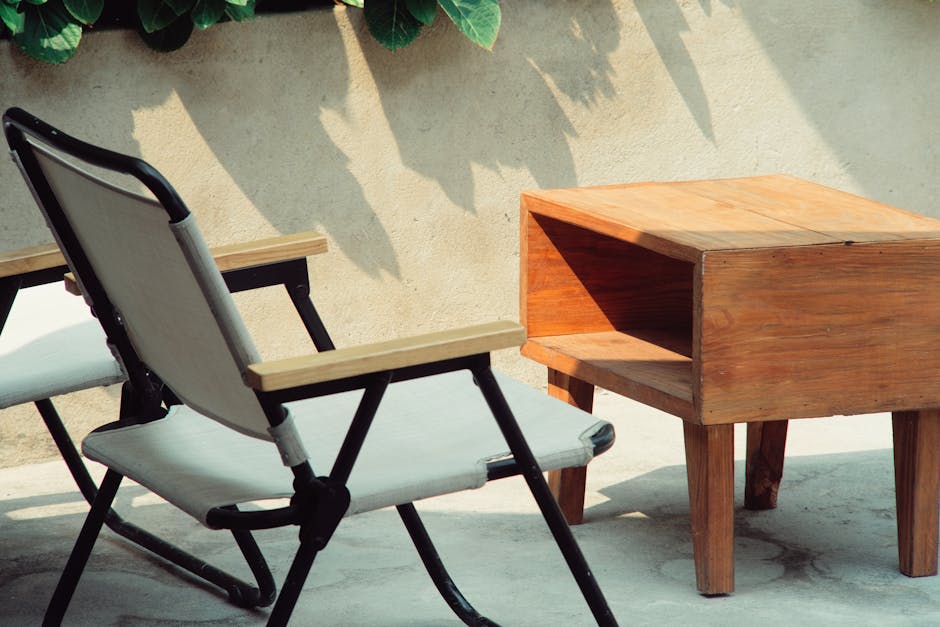
Regardless of how ‘all-weather’ your furniture claims to be, bring it in or store it properly during harsh winters. Freezing temperatures, ice, and heavy snow will degrade even the toughest materials over time. Don’t be lazy. Protect your investment.