
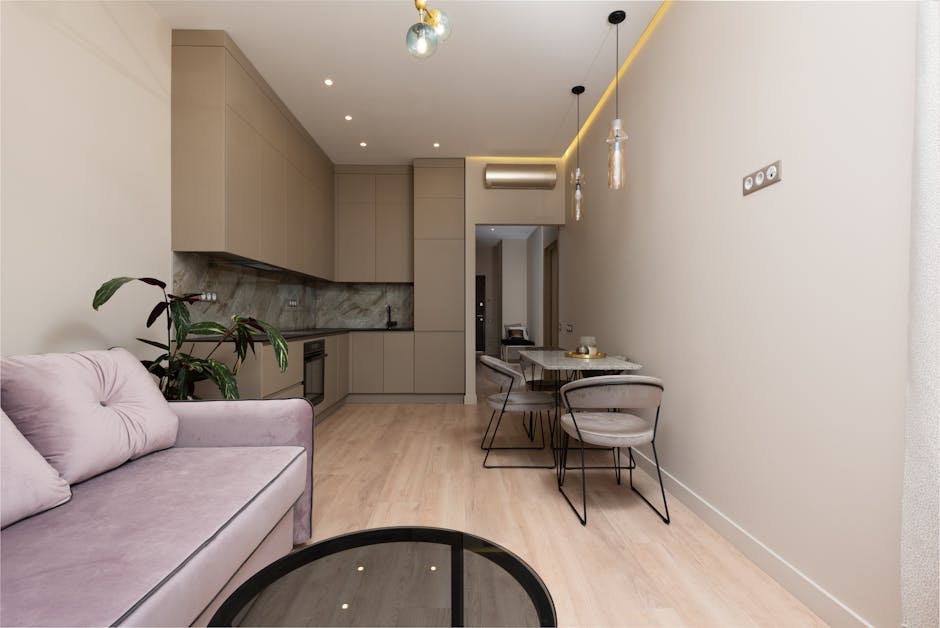
Did you know the average American spends 55 minutes a day looking for lost items? That adds up to nearly two weeks each year, simply trying to find keys, remotes, or misplaced documents. Imagine reclaiming that time. Home organization isn’t just about tidiness; it’s about efficiency, peace of mind, and creating spaces that truly serve your life. Forget fleeting trends; the best organization ideas focus on systems that endure and adapt to your needs, transforming chaotic corners into functional zones.
Decluttering First: The Essential Foundation
Before you buy a single storage bin, you must declutter. This step is non-negotiable. Trying to organize clutter is like trying to wallpaper a cracked wall – the underlying problem remains. A thorough decluttering session clears out items you no longer need, use, or love, making space for what truly matters. It also helps you understand the volume of items you actually own, guiding your storage purchases later.
Many people find decluttering overwhelming. The key is to break it down into manageable tasks. Start with one small area, like a single drawer or a bookshelf. Dedicate a specific amount of time, say 30 minutes, and stick to it. Consistency beats intensity when it comes to long-term decluttering success. The goal isn’t perfection; it’s progress.
The “Four-Box Method” Explained
A highly effective strategy for decluttering is the “Four-Box Method.” Grab four empty boxes or bags and label them:
- Keep: Items you regularly use and love. These will be organized and returned to your space.
- Donate/Sell: Items in good condition that you no longer need but someone else could benefit from.
- Trash: Broken, expired, or unusable items that belong in the garbage.
- Relocate: Items that belong in another room. Don’t put them away immediately; just place them in this box.
Work through your designated area, picking up each item and placing it into one of the four boxes. This structured approach prevents decision paralysis and keeps you moving forward. Once your boxes are full or your time is up, immediately deal with the contents: take out the trash, put the donate/sell items in your car, and distribute the relocate items to their proper rooms.
Digital Decluttering: Beyond Physical Space
Organization isn’t limited to physical objects. Our digital lives often mirror our physical clutter, leading to stress and lost time. Think about your overflowing email inbox, your desktop covered in unsorted files, or your phone gallery filled with blurry photos. Digital clutter can be just as draining.
Set aside time each week for digital maintenance. Delete unnecessary emails, unsubscribe from unwanted newsletters, and consolidate files into logical folders. Use cloud storage services like Google Drive or Dropbox to keep important documents accessible and backed up. For photos, consider a dedicated photo management app or a consistent folder structure to categorize memories. A clean digital space improves focus and reduces anxiety, just like a tidy physical one.
Kitchen Storage: Pantry Pull-Outs and Drawer Dividers

The kitchen often becomes a catch-all for gadgets, ingredients, and various odds and ends. Efficient kitchen organization saves time during meal prep and reduces food waste. The secret lies in maximizing every inch of space, both inside cabinets and drawers.
For deep cabinets, pull-out shelves are a . They transform dark, inaccessible corners into easily reachable storage. Instead of rummaging, you simply slide out the shelf to see everything. Similarly, well-designed drawer dividers keep utensils, foils, and bags from becoming a jumbled mess. Choose options that are adjustable or modular to fit your specific items.
Recommended Pantry Pull-Outs
Investing in quality pantry pull-outs can revolutionize your kitchen. The Simplehuman Cabinet Pull-Out Organizer, for instance, offers robust steel construction and smooth-gliding industrial-grade ball bearing slides. A single 14-inch wide unit costs around $80-100 and can support heavy items like canned goods or small appliances. For larger pantries, the Rev-A-Shelf Two-Tier Pull-Out System provides even more capacity, with prices starting around $150 for a 15-inch base cabinet model. These systems are designed for durability and easy installation, making frequently used items incredibly accessible.
Best Drawer Organizer Systems
Drawer organization often feels like a constant battle. The best systems are those that are adjustable and prevent items from shifting. For cutlery and utensils, the OXO Good Grips Expandable Utensil Organizer ($22) expands from 9.75 to 18 inches, fitting most standard drawers. Its non-slip feet keep it in place. For spices, the Madesmart Classic Spice Drawer Organizer ($15) provides an angled tiered design, allowing you to easily read labels without lifting bottles. For general drawer clutter, Joseph Joseph DrawerStore Expandable Drawer Organizers ($25-$40 depending on size) are highly versatile, allowing you to customize compartments for various items like foils, wraps, or small kitchen tools. The key is to measure your drawers precisely before purchasing to ensure a snug fit.
Bedroom & Closet: Maximizing Vertical Space
Bedrooms should be sanctuaries, not storage dumps. One of the most impactful organization strategies for this space is to look up. Vertical space—walls, the back of doors, and the often-overlooked area under your bed—offers untapped potential for storage. Too often, we only consider floor-level solutions, leaving valuable vertical real estate unused.
My strong recommendation for anyone struggling with closet space is to invest in a modular closet system. While initial setup can be an effort, the long-term benefits in terms of tailored storage and reduced clutter are immense. It’s a foundational upgrade that pays dividends daily.
Modular Closet Systems vs. DIY Solutions
When it comes to closets, a modular system provides unparalleled customization. The IKEA PAX Wardrobe System is a popular choice, with prices varying widely based on configuration, but a basic 39 3/8-inch wide unit with shelving and a hanging rail starts around $200. You can add drawers, shoe shelves, and interior organizers to fit your exact needs. For a more robust and professional look, the Elfa Décor system from Container Store offers wire shelving, solid wood drawers, and installation services, though it comes at a higher price point, with basic reach-in closet kits starting from $500-$800. While DIY solutions like adding an extra tension rod or stacking plastic drawers are cheaper, they often lack the seamless integration and long-term durability of a purpose-built system.
Under-Bed Storage Picks
The space under your bed is prime real estate for seasonal clothing, extra linens, or rarely used items. Opt for containers with wheels or sturdy handles for easy access. The Zober Under-Bed Storage Bags with Clear Window ($25 for a 3-pack) are soft-sided, allowing for flexible storage and dust protection. For more rigid options, the Sterilite 60 Qt. ClearView Latch Box ($18 each) offers a clear view of contents and strong latches, protecting items from dust and pests. Its dimensions (34.5″L x 16.6″W x 7.3″H) fit under most standard bed frames. Measure your bed’s clearance carefully before buying to ensure a perfect fit.
Bathroom Organization: Tackling Tiny Spaces
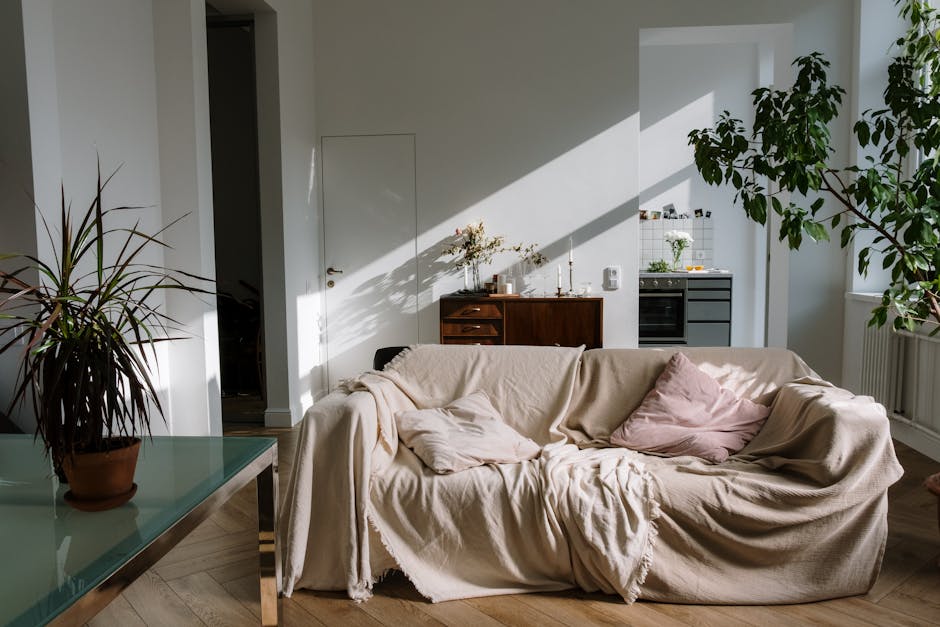
Bathrooms, especially smaller ones, can quickly become overwhelmed with toiletries, towels, and cleaning supplies. Effective organization in this space is about smart storage that withstands humidity and maximizes verticality, turning chaos into calm.
How can I organize a small bathroom counter?
For a small bathroom counter, vertical tiered organizers are your best friend. Instead of spreading items horizontally, stack them. A 2-Tier Corner Shelf Organizer from mDesign (around $20) can tuck neatly into a corner, holding daily essentials like moisturizers, serums, and toothbrushes. Clear acrylic organizers, like the ClearSpace Stackable Cosmetic Organizer Drawers ($35 for a 2-drawer unit), keep items visible yet contained, preventing clutter from accumulating. The key is to only keep frequently used items on the counter and store the rest in drawers or cabinets.
What are the best shower storage options?
Shower storage needs to be rust-proof and securely mounted. The OXO Good Grips Stainless Steel Corner Shower Caddy ($45) uses a strong suction cup system and stainless steel construction to resist rust, holding multiple bottles and bars of soap without slipping. For a more robust solution, the Simplehuman Adjustable Shower Caddy ($60) hangs over the showerhead and offers adjustable shelves to accommodate tall bottles. Its rust-proof aluminum and stainless steel construction ensures longevity. Avoid flimsy plastic caddies that easily break or slide down walls; investing in a durable option saves money and frustration in the long run.
Office & Craft Nooks: Streamlining Workflows
Whether it’s a dedicated home office or a small craft corner, keeping this area organized is vital for productivity and creativity. Disorganized workspaces can hinder focus and waste time searching for supplies. The goal is to create zones for different tasks and ensure everything has a designated home.
For any workspace, I find modular drawer units and clear desktop organizers to be the most effective. They offer flexibility as your needs change and help maintain visual order, which is crucial for reducing mental clutter. Don’t underestimate the power of a mobile cart for frequently used tools or materials.
Desk Organizer Showdown
| Feature | Yamazaki Home Desk Bar ($35) | IKEA Alex Drawer Unit (Mini) ($50) | mDesign Plastic Storage Bins (Set of 4, $28) |
|---|---|---|---|
| Type | Desktop Organizer (Vertical) | Small Drawer Unit (Under-desk/side) | Drawer/Shelf Bins (Modular) |
| Material | Steel, Wood | Particleboard, Fiberboard | Durable Plastic |
| Dimensions | 9.8″L x 3.7″W x 5.1″H | 14.1″L x 14.1″W x 27.5″H | Varies (e.g., 10″L x 6″W x 3″H) |
| Best Use | Pens, small notes, phone stand | Documents, office supplies, crafts | Inside drawers, shelves for small items |
| Pros | Sleek design, saves desktop space | Ample storage, clean look, wheels | Clear visibility, stackable, versatile |
| Cons | Limited capacity | Assembly required, relatively heavy | Less aesthetic for open display |
| Verdict | Best for minimalist, vertical organization of small items. | Excellent for contained, hidden storage and a clean desktop. | Ideal for internal organization within larger drawers or shelves. |
Each type serves a different purpose. For visible desktop organization, the Yamazaki Home Desk Bar offers a minimalist aesthetic and keeps essential pens and small notebooks within easy reach. For hidden, heavy-duty storage, the IKEA Alex Drawer Unit provides ample space for documents, craft supplies, or even small tools, with the added benefit of mobility on its casters. For maximizing existing drawer or shelf space, mDesign’s clear plastic bins are indispensable, allowing you to categorize and easily see items without rummaging.
Mobile Storage Carts: Flexibility on Wheels
Mobile storage carts offer unparalleled flexibility for office or craft areas. They allow you to bring supplies to where you’re working and then tuck them away when not in use. The IKEA RÅSKOG Utility Cart ($30, 13.75″L x 17.75″W x 30.75″H) is a cult favorite for its sturdy metal construction and three deep baskets, perfect for art supplies, office essentials, or even snacks. For heavier items or tools, the Honey-Can-Do 3-Tier Rolling Cart ($40) provides robust wire shelving and locking wheels. These carts are invaluable for dynamic workspaces or for storing items that need to be moved frequently.
Maintaining Order: Habits for Lasting Organization
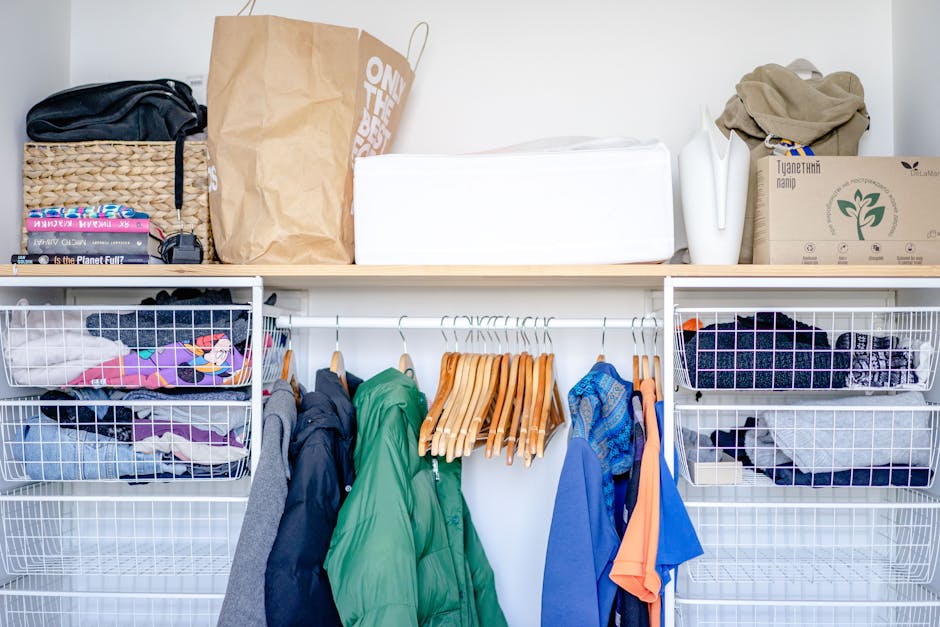
Organization isn’t a one-time event; it’s a continuous practice. The most brilliant storage solutions will fail if consistent habits aren’t established. Think of it less as a chore and more as a small investment of time each day that prevents overwhelm later on. Building these routines integrates tidiness into your daily life, making it feel effortless.
The goal is to create systems that are easier to maintain than to disrupt. This means having a designated spot for everything and consistently returning items to their homes. When an item doesn’t have a home, that’s often when clutter begins to accumulate.
- The “One-Minute Rule”: If a task takes less than a minute to complete, do it immediately. This could be putting away a dish, hanging up a jacket, or filing a single piece of mail. These tiny actions prevent small tasks from snowballing into overwhelming projects.
- Daily Tidy-Up: Dedicate 10-15 minutes each evening to a quick tidy-up before bed. Walk through your main living areas and put things back where they belong. This ensures you wake up to a relatively clean and calm environment, setting a positive tone for the day.
- “One In, One Out”: Adopt this policy, especially for categories prone to accumulation, like clothing, books, or kitchen gadgets. When you bring a new item into your home, commit to donating or discarding an old, similar item. This prevents overstuffing and ensures your belongings stay at a manageable level.
- Scheduled Maintenance: Beyond daily tidying, schedule a deeper organizational check-in once a week or month. This could involve reviewing your pantry for expired items, tidying up a specific drawer, or doing a quick digital declutter. Consistent upkeep prevents major organizational crises.
- Re-evaluate Regularly: Your life changes, and so should your organization systems. What worked last year might not work today. Periodically assess if your current systems are still serving your needs. Are there new areas of clutter? Are certain storage solutions no longer practical? Be willing to adapt and refine your approach.
The journey to a more organized home is ongoing. It’s less about achieving a perfect, static state and more about embracing a dynamic process of continuous improvement. By integrating simple habits and smart solutions, you can create a living space that supports your well-being and allows you to spend less time searching and more time living.